Things to Do in Tajikistan in September
September weather, activities, events & insider tips
Shoulder Season · Good Value
September Weather in Tajikistan
Long-run averages for September in Dushanbe
88°F (31°C)
High Temp
54°F (12°C)
Low Temp
0.2 inches (5 mm)
Rainfall
30%
Humidity
7
Sunny-Day UV
⚠ Rapid temperature drops at night, in high-altitude regions like the Pamir Mountains, can lead to hypothermia risk for unprepared travelers.
⚠ High UV radiation levels due to elevation and thin atmosphere require diligent sun protection even on cool days.
Making the most of September in Tajikistan? Browse tours and activities in Tajikistan on GetYourGuide.
Is September Right for You?
Weigh the advantages and considerations before booking
Advantages
- + The Pamir Highway is drivable without snow closures. The high passes above 3,500 meters (11,500 ft) have cleared. Stark, sun-bleached landscapes look like Mars. Early snow dusts distant peaks.
- + Fruit season hits its peak. Roadside stands in the Zeravshan Valley pile with pomegranates that split open to reveal jewel-red seeds. The last of the Bukhara grapes taste like honey.
- + Daytime temperatures in Dushanbe hover around that sweet spot. Hike in the morning without sweating through your shirt. Sit outside at a chaikhana in the evening without a jacket.
- + The summer tourist crush from July and August has mostly dissipated. Find a seat at the National Museum of Tajikistan without elbowing through tour groups. Guesthouse owners have time to talk to you.
Considerations
- − That crisp 54°F (12°C) low in Dushanbe feels like a different planet once you're up in the Pamirs. Nighttime temperatures in Murghab can plunge below freezing. Guesthouses without reliable heating become a test of your sleeping bag's rating.
- − The window for high-altitude trekking in the Fann Mountains starts to narrow. By late September, first snows can dust the peaks above 4,000 meters (13,100 ft), closing some passes and turning trails muddy.
- − Some smaller, family-run homestays in remote villages begin to wind down for the season after Independence Day (September 9th). This reduces your accommodation options off the main routes.
Short on time in September? See day trips around Tajikistan on GetYourGuide.
Best Activities in September
Top things to do during your visit
In the foothills of Tajikistan, September is a gentle hinge between the searing heat of high summer and the first whispers of mountain winter. The days, still long and illuminated by a clear, sharp light, carry the warmth of the sun on baked earth and stone, while evenings arrive with a crispness that prompts a light jacket. This is the month when the intense dry season begins its slow surrender, a transition felt in the cool breezes that drift down from the high Pamirs and in the pace of daily life, as harvest preparations subtly quicken in the valleys. With average highs of 88 degrees Fahrenheit and nearly no rain, the conditions are exceptionally favorable for travel across Tajikistan, from its urban centers to its remote high-altitude passes. The air holds a particular clarity, offering unobstructed views of snow-dusted peaks that were often shrouded in summer haze, making every vista feel newly minted and vast. Travelers considering security in Tajikistan will find that in September, the predictable weather translates to reliably open roads and stable conditions for exploration, along the famed high-altitude routes. Questions about what to do in Tajikistan are answered by the landscape itself this month: it is a call to movement. The window for traversing the high mountains remains wide open. Yet the crowds that can gather in peak summer months have typically diminished, leaving trails and ancient sites feeling more solitary. In Dushanbe, the pace is leisurely, with locals enjoying late-afternoon tea in chaikhanas under the shade of still-leafy trees, the scent of charcoal and roasting meat weaving through the air. The culinary scene, a cornerstone of any visit, shifts with the season, as markets begin to display the late-summer yield. This is not a month of scheduled spectacle. But one of atmospheric advantage, where the very elements align for deep immersion into Tajikistan's profound and rugged beauty.

Dushanbe to Osh on Pamir Highway
otherTraversing the Pamir Highway from Dushanbe to Osh is less a drive and more an expedition across the roof of the world, a multi-day journey where the road itself, a ribbon of gravel and history etched between geological giants, is the primary attraction. You will hear the constant crunch of tires on stone, see the otherworldly blues of alpine lakes like Karakul appear suddenly in a desert of rust-colored rock, and feel the thin, cool air of passes exceeding 4,000 meters. The route reveals the stark, magnificent isolation of the Pamirs, punctuated by encounters with remote Kyrgyz communities whose yurt camps dot the high pastures.
It offers one of the planet's most epic overland journeys, a raw and intimate passage through landscapes of sublime, almost brutal grandeur.
Insider tip: Secure your GBAO permit well in advance of your trip, as this mandatory authorization for the high-altitude section cannot be obtained last minute on the road.
This month: The high mountain passes on this route are typically clear and dry in September, making for safer and more predictable driving conditions than in the earlier or later months.

Private Full-Day Tour to Iskandarkul
day_tripA private full-day tour to Iskandarkul transports you from the arid lowlands into a realm of myth and cool mountain relief, where the lake's jade-green waters are cradled by forested slopes. The air here smells distinctly of pine and damp earth, a stark contrast to the dusty valleys below, and you will hear the powerful rush of the nearby waterfall, a constant white noise against the quieter sounds of the forest. Legend names it after Alexander the Great, and standing on its shores, with the water feeling startlingly cold to the touch, the sense of discovering a hidden, storied place is profound.
It provides a concentrated dose of Tajikistan's alpine beauty and folklore within a manageable day's journey from the capital.
Insider tip: Wear sturdy shoes with good grip, as the path down to the viewpoint for the 40-meter Snake Lake waterfall can be slippery with loose gravel and mud.

Dushanbe City Tour & Hissar Fortress
guided_experienceThis Dushanbe city tour paired with Hissar Fortress juxtaposes the grand, sometimes surreal, architectural ambitions of modern Tajikistan with the lasting, crumbling weight of its Silk Road past. In the capital, you will see the gleaming marble of the world's second-tallest flagpole against a deep blue sky, stroll through Rudaki Park under the shade of old trees, and feel the organized calm of spaces like the National Museum. The contrast is immediate upon reaching the dusty road to Hissar, where the fortress walls, made of sun-baked clay, stand in silent testimony to centuries of caravans and conquests, their ruins echoing with a different kind of power.
It efficiently frames the nation's dramatic narrative, from its contemporary aspirations in Dushanbe to the tangible ruins of its deep history just outside the city.
Insider tip: Focus your camera on the intricate carved wooden doorway of the old madrasa at the Hissar complex, one of the few original 18th-century structures still standing.

Pamir Highway in 5 days from Dushanbe to Osh
otherThis five-day condensed journey along the Pamir Highway from Dushanbe to Osh distills the essence of the longer expedition, focusing on the most dramatic segments of the route while navigating the demanding high-altitude terrain. You will taste the simplicity of hearty noodle soups in roadside chaikhanas, feel the vehicle vibrate on long stretches of washboard gravel, and witness the shifting palette of the mountains, from the mineral streaks of the Khingob Valley to the soft gold of high-altitude grasses in the Wakhan Corridor. It is an immersive, physically engaging way to experience the Pamirs for those with limited time.
It delivers the core awe of the Pamir Highway experience, vast landscapes, remote culture, and high-altitude driving, in a focused, guided format.
Insider tip: Pack for all conditions. Even in September, you will experience sharp temperature swings from blazing sun in the valleys to near-freezing winds on the passes.
This month: September often provides the ideal balance for this tour, with generally stable road conditions and fewer tourist vehicles than peak July and August.

One-Day Trekking to Gusgarf Waterfall
adventureThe one-day trek to Gusgarf Waterfall is a vigorous escape into a hidden gorge, where the reward is the thunderous sight and misty spray of a powerful cascade plunging into a deep, cold pool. The hike itself engages all the senses: you will hear your boots scuff on rocky trails, smell the wild thyme crushed underfoot, and feel the sun on your skin as you ascend, followed by a refreshing chill as you approach the waterfall's base. The final approach involves navigating some large boulders, your hands feeling the cool, smooth rock, before the full spectacle reveals itself.
It is an accessible yet challenging wilderness experience close to Dushanbe, culminating in one of the region's most impressive waterfalls.
Insider tip: Bring a waterproof layer or quick-dry clothing. Getting the full experience means venturing close enough to the pool to be covered in the waterfall's continuous mist.
This month: The water flow is typically strong from spring melt. But by September the trail conditions are drier and more stable, making the rocky sections less slippery.

Full-day guided tour to Iskanderkul Lake from Dushanbe
day_tripA full-day guided tour to Iskanderkul Lake has a more in-depth exploration of this well-known site than shorter trips, allowing time to absorb its serene atmosphere and explore its surroundings. Beyond viewing the lake's shimmering surface, you can walk through stands of walnut trees, their leaves rustling in the mountain breeze, and perhaps taste freshly caught trout, simply grilled over an open fire at a lakeside camp. The guides provide context to the Alexander the Great legends, enriching the visual spectacle with layers of local story.
It combines the natural beauty of one of Tajikistan's most famous lakes with cultural storytelling and the opportunity for leisurely lakeside contemplation.
Insider tip: If offered, accept the chance to take a short walk to the smaller, quieter Lake Sarytag for a different, more intimate perspective on the area's beauty.
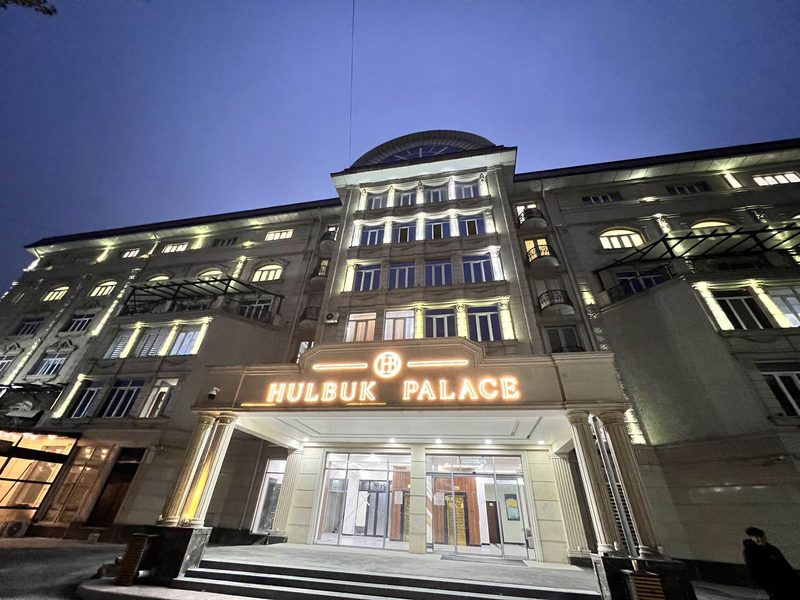
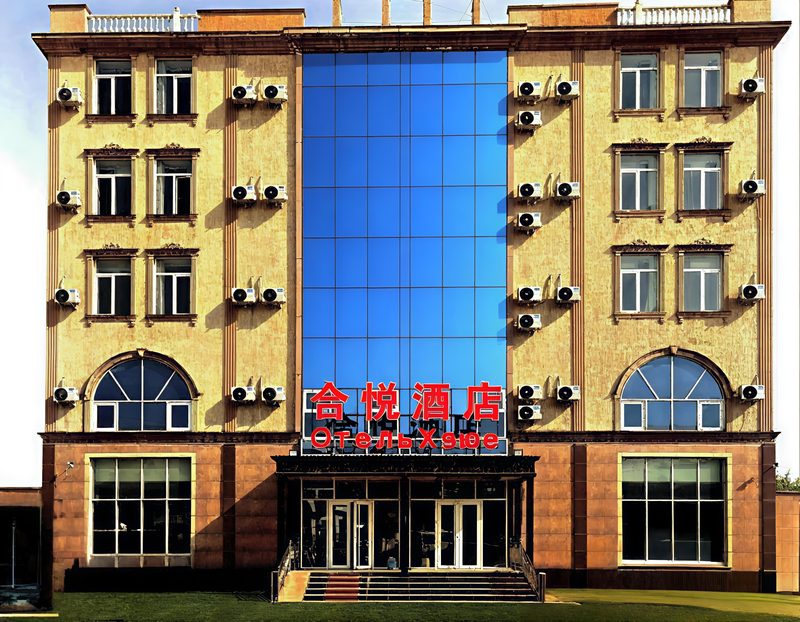
Where to Stay in Tajikistan in September
Hand-picked hotels across price tiers for September travellers.

Public Holidays in September
Dates that affect opening hours, transport and crowds
Independence Day
Observed nationwide as a public holiday. Date calculated from the national holiday calendar.
Independence Day
Observed nationwide as a public holiday. Date calculated from the national holiday calendar.
Packing Checklist
Bookmark this page — your progress is saved between visits
Need the full list with shopping links?
Climate-specific gear, brand recommendations, and what to leave at home.
View Tajikistan Packing List →Essential Tips
Insider knowledge and common pitfalls to avoid
Insider Knowledge
The best plov in Dushanbe is not in a restaurant. It is at the small, family-run chaikhanas in the backstreets behind the Green Bazaar. The rice is cooked in a giant kazan over an open fire and served on a shared dastarkhan cloth. Go around 1 PM when it is freshest.
If you are heading to the Pamirs, bring a bag of fresh fruit or simple school supplies (pencils, notebooks) from Dushanbe. Offering small gifts to homestay families in remote villages is a meaningful gesture. It is not a transaction.
Want a true local September experience? Find a village near Isfara or Istaravshan during the cotton harvest. The fields are seas of white. The air carries the faint, earthy smell of the bolls. Do not photograph people working without asking.
The 'shared taxi' system is the country's real transit network. For routes like Dushanbe to Khujand, go to the long-distance taxi stand early in the morning. You will pay for one seat in a car that leaves when full. It is cheaper and faster than the bus. Less comfortable too.
Avoid These Mistakes
Underestimating the cold. That 'average low' is for Dushanbe. Pack as if you are going camping in the mountains at night. You are.
Trying to do too much too fast. The Pamir Highway is about 1,200 km (745 miles) of some of the world's most challenging road. Rushing it in less than 7-10 days means you will spend the whole time in the car, sick from the altitude.
Assuming you can use credit cards or find ATMs. Outside the capital and Khorog, Tajikistan runs on cash. Exchange enough Somoni in Dushanbe for your entire trip to remote regions.
Ready to plan your trip to Tajikistan?
Now that you've got the research covered, here's where to go next.
Explore More Activities in Tajikistan
Didn't see anything interesting yet?
Browse Viator's full catalog of tours, day trips, food experiences, and private guides in Tajikistan.
See All Tajikistan Tours on Viator